

Why Your Pain Keeps Coming Back — And What Your Body’s Been Trying to Tell You All Along
Have you ever wondered why pain seems to keep coming back, no matter how much you stretch, rest or visit the Chiropractor?
If you’ve felt like you’ve tried everything but still wake up stiff, sore, or frustrated, you’re not alone—and it’s not your fault.
Here’s the truth most people don’t know:
Pain Is a Message—Not Just a Problem to Fix
Pain is your body’s way of saying, “Something’s out of balance.”
It’s not just about muscles or joints—it’s often about the hidden connective tissue under the surface called fascia.
What Is Fascia, and Why Does It Matter?
Fascia is a web-like connective tissue that wraps around every muscle, bone, nerve, and organ in your body.
It’s designed to be elastic, supportive, and allow fluid movement.
But life happens:
- Long hours sitting
- Poor posture
- Injuries
- Stress
- Shallow breathing
All of this causes fascia to tighten, compress, and stick to itself, cutting off circulation, restricting movement, and causing that tight, achy feeling in your body.
When one area compresses, it creates a domino effect elsewhere in the body. That’s why you might have an old knee issue show up as hip pain months or even years later.
Why Stretching Isn’t Enough
You’ve probably been told to stretch or strengthen to feel better—but if you’ve tried that and it hasn’t worked long-term, here’s why:
Stretching only works the surface layers of tissue.
If the deep fascia is compressed underneath, that tightness and restriction won’t truly release. It’s like pulling weeds but leaving the roots behind—they’re just going to grow back until you address what’s underneath.
The 3-Step Process to True, Lasting Relief
After years of learning and living this myself, I’ve seen real change come from these three simple but powerful steps:
- Create Space
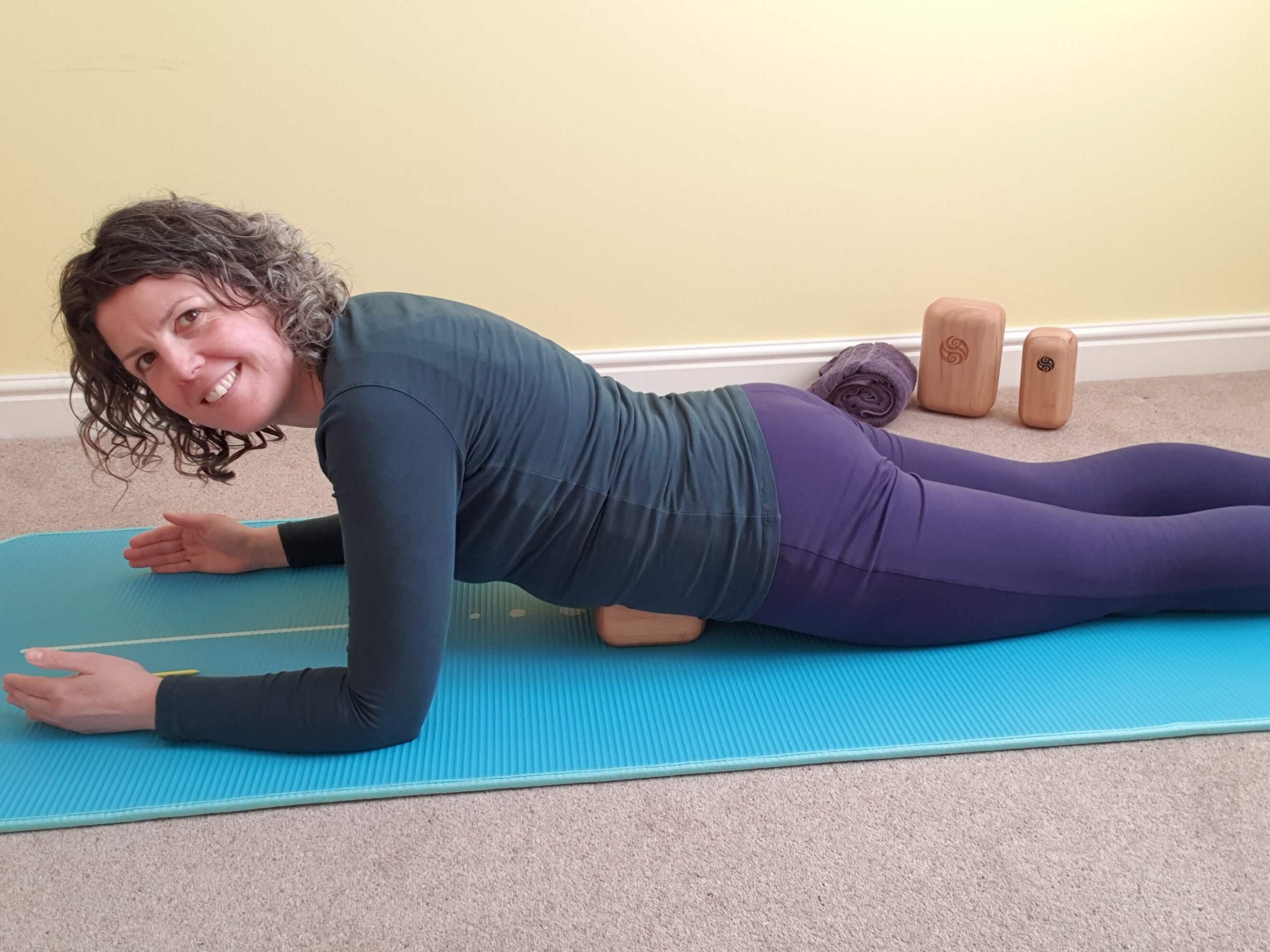
We need to decompress those layers of fascia—to physically create space inside the body where everything has become tight or stuck.
- Inflate the Space
With that space created, we need to use diaphragmatic breathing to bring oxygen and life back into those areas. Most of us breathe shallowly, missing one of the most powerful tools we have for healing.
- Maintain the Space
Finally, we need to maintain this openness by becoming more aware of our posture and the way we move and sit throughout the day.
When we work with the body this way—not against it—healing happens naturally and most importantly:
It gives you back a sense of control.
No more relying solely on someone else to “fix you.”
It’s about building a relationship with your body again.
What’s Next?
I’m passionate about sharing this because I know what it’s like to feel stuck in pain, unsure of where to turn next.
If this resonates with you, I encourage you to start by simply noticing your body today.
Where do you feel tension?
Can you take three diaphragmatic breaths right now?
Breath in through your nose for a count of 4, allowing your belly to gently expand outward.
Breath out through your nose for a count of 6, imagining your belly button gently drawing in towards the spine.
That’s where change begins.
One breath. One shift. One step at a time.
If you’d like more guidance on this approach, or you’re curious about fascia decompression, you’re welcome to explore more resources on my website.
But for today—simply start by listening to your body.
It’s been speaking to you all along.
About the Author
Catherine Langford is a certified Block Therapy Instructor and ICF Coach, helping people release pain, improve mobility and reconnect with their bodies through fascia decompression and breathwork.
After experiencing her own journey with persistent pain and frustration, Catherine is passionate about teaching others how to take back control of their health naturally—without relying solely on medication or endless appointments.
She offers online classes, 1:1 coaching, and empowering resources designed to help you move freely and feel like yourself again.
Learn more about Catherine and her approach at: www.catherinelangford.co.uk
Catherine also shares simple, effective techniques on her YouTube channel, where you can learn more about fascia release, self-care for pain relief, and practical mindset shifts to support healing.
Subscribe here: Catherine Langford – YouTube